
Learn about statutes of limitations, torts, and how AI enhances casework speed and quality for faster, higher settlements.
A personal injury statute of limitations sets the legal deadline for filing a lawsuit after an injury occurs. These deadlines vary by jurisdiction and dictate the time an attorney must initiate legal action.
Staying current on statute of limitations laws is essential to preserving a client’s right to compensation.
With deadlines that vary by state and exceptions that can make or break a case, understanding these nuances ensures that cases are filed on time and clients receive the justice they deserve.
Failing to file before the deadline expires can result in a case being dismissed outright, regardless of its merits.
For example:
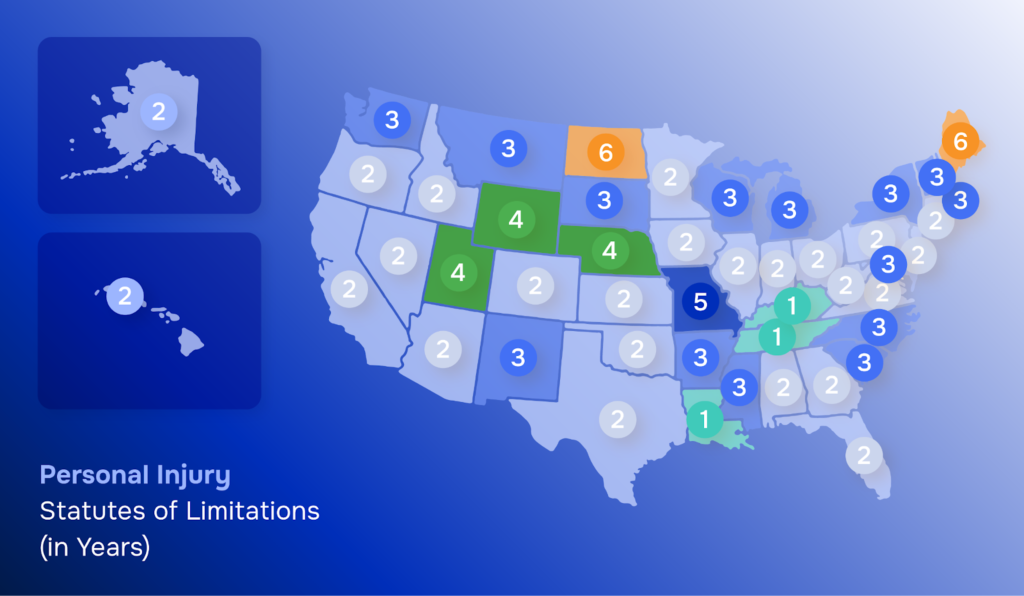
Strict adherence to statutes of limitations serves multiple purposes in personal injury law:
Learn how the right prompts can streamline repetitive tasks, speed up document drafting, and surface key details from complex case files in seconds.
Read More
Beyond deadlines, personal injury teams must also navigate different fault and liability rules that impact case strategy and potential recoveries:
Understanding the state-specific statute of limitations laws and fault doctrines is non-negotiable for attorneys and support staff handling personal injury claims. Filing deadlines should be a core part of your firm’s intake and case management process. Every potential exception should be evaluated, and client education should clearly explain deadlines and how they impact case viability.
Considering these legal nuances, your firm can protect clients’ rights, maximize recovery potential, and prevent costly procedural dismissals.
If an injured party fails to file a lawsuit within the statute of limitations, they generally lose the legal right to pursue compensation.
However, there are exceptions, such as:
Understanding your state’s personal injury statute of limitations is essential for protecting your right to compensation. Consulting a personal injury attorney can help ensure you file your claim in time.
Many states have exceptions that can extend the filing deadline under specific circumstances, such as:
Defendants leaving the state is a common exception to the statute of limitations. It’s neither fair nor realistic to require a plaintiff to file suit when the defending party is not within the jurisdiction where a case will be filed. This exception can also apply if the defendant remains in the state but doesn’t disclose their location.
Some states allow the clock to start when an injury is discovered rather than when it occurs, in cases where an injury isn’t immediately apparent—such as medical malpractice or toxic exposure.
Some jurisdictions toll the statute of limitations for plaintiffs who are underage or mentally incapacitated at the time of injury.
Knowing these exceptions is critical for case managers and paralegals tracking deadlines. They can use them to determine case eligibility and prevent clients from missing opportunities.
The legal industry is rapidly evolving with the onset of AI-enabled solutions. For example, EvenUp streamlines workflows to help firms reach fair settlements within the statute of limitations for personal injury cases. Here’s how:
AI-powered tools can quickly analyze case details, assess liability, and estimate settlement values based on past verdicts and legal precedents—allowing attorneys to determine the strength of a case before investing significant time and resources.
AI-driven platforms can scan thousands of legal documents, statutes, and case laws within seconds, improving the efficiency of legal research—helping attorneys and staff craft stronger demands that identify weaknesses and maximize case strengths.
AI ensures that firms never miss a statute of limitations deadline by tracking case progress, court dates, and filing requirements. Automated alerts help attorneys stay on schedule and comply with state-specific laws.
By analyzing similar cases and predicting outcomes, AI assists attorneys in negotiating fair settlements more effectively. Past settlement data helps clients secure compensation faster, reducing the time and expense of prolonged litigation.
AI can extract key insights from medical records, police reports, and witness statements, helping attorneys build stronger cases—reducing the manual workload and ensuring that crucial evidence isn’t overlooked.
By implementing AI-powered legal technology, personal injury firms can speed up settlement while enhancing case quality. These advancements allow attorneys to focus on client advocacy rather than administrative tasks, ultimately improving outcomes for injured individuals navigating personal injury statute of limitations.
Schedule a call today to see how EvenUp’s AI tools automate repetitive tasks, streamline custom drafting, and empower staff to focus on case strategy and client engagement.
Schedule a Call